Taiwanese food culture is defined by its ability to blend diverse historical influences into a dynamic, flavor-packed culinary tradition. From vibrant night markets to ancient tea houses, dining in Taiwan is less about formality and more about community, comfort, and deep-rooted heritage.
1. Historical Foundations: A Cultural Melting Pot
Taiwan’s unique geographic position and history have shaped a cuisine unlike any other in East Asia. The primary cultural layers include:
- Indigenous Traditions: Native Austronesian tribes relied on ingredients like wild boar, millet, taro, and native spices like magao (mountain pepper).
- Fujianese & Hakka Migration: Early Han settlers from Southern Fujian brought savory, slow-braised pork techniques and seafood preparation, while the Hakka community introduced preserved meats, pickles, and bold savory profile dishes (poki).
- Japanese Colonial Era (1895–1945): Introduced refined aesthetic dining, sashimis, bento culture (biandang), and elevated raw ingredient quality standards.
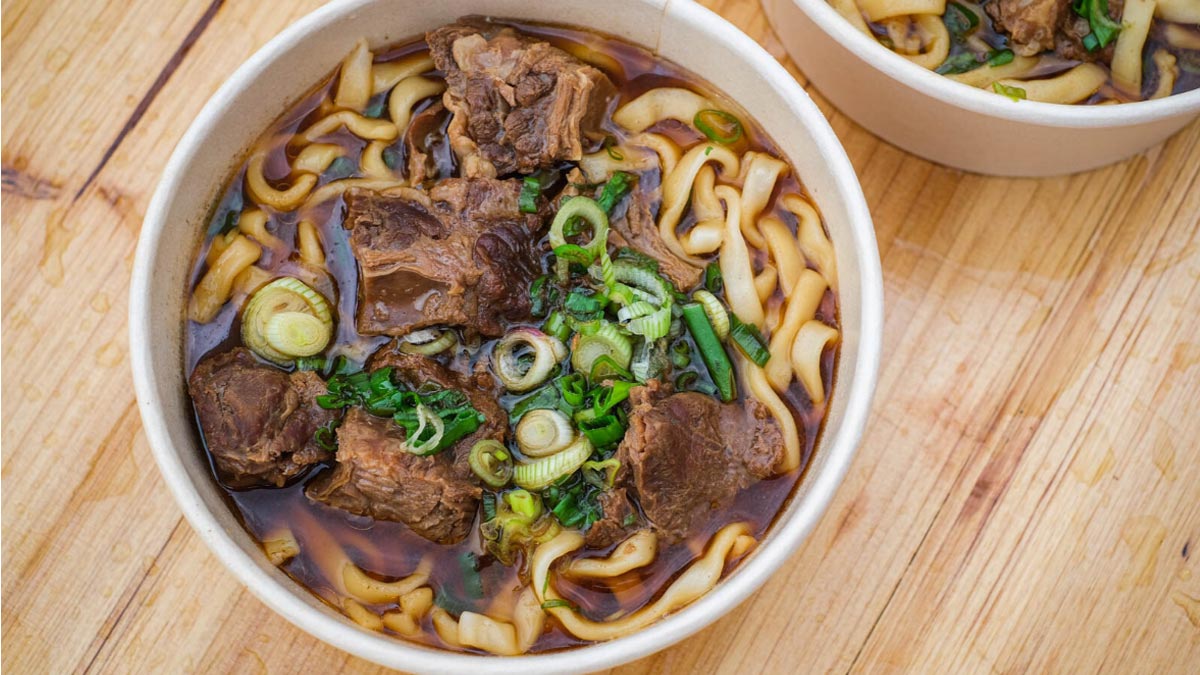
- Post-WWII Regional Chinese: Influxes of veterans from Sichuan, Hunan, and Shandong popularized dishes like spicy hotpot, scallion pancakes, and iconic Taiwanese Beef Noodle Soup.
2. Core Flavor Profiles & Defining Ingredients
Taiwanese cuisine prioritizes natural fresh flavors heightened by strategic seasoning and unique textures.
| Element | Description & Key Ingredients |
| Sheng Keng (The Base) | Garlic, shallots, ginger, scallions, and Taiwanese rice wine form the fragrant foundation of almost every stir-fry or soup. |
| Sweet & Savory Balance | Heavy use of rock sugar, dark soy sauce, and fermented black beans creates rich, caramelized profiles like in Lurou Fan (braised pork rice). |
| The “Q” Texture | An essential culinary concept referring to the bouncy, springy, chewy texture found in boba pearls, fish balls, and traditional taro balls. |
| Fresh Herbs | Thai basil, cilantro, and white pepper add vibrant top notes to counter rich meats. |
3. Night Market Culture & Street Food Traditions
Night markets (Ye Shi) are the beating heart of Taiwanese food culture. Originally rooted around neighborhood temples where communities gathered after work, modern markets serve as epicenter for innovation and traditional snack preservation (Xiaochi).
- Must-Try Iconic Snacks:
- Gua Bao: Often called the “Taiwanese Hamburger,” a steamed lotus-leaf bun stuffed with braised pork belly, pickled mustard greens, ground peanuts, and cilantro.
- Stinky Tofu (Chou Doufu): Fermented tofu deep-fried or steamed, served with spicy garlic sauce and pickled cabbage.
- Oyster Omelet: A gooey batter made of sweet potato starch, fresh local oysters, greens, and a sweet-savory red sauce.
- Bubble Milk Tea (Boba): Originating in Taichung in the 1980s, combining rich black tea, condensed milk, and chewy tapioca pearls.
4. Hospitality and Dining Rituals
In Taiwan, greetings rarely begin with “How are you?”—instead, people ask “Chih pao le ma?” (Have you eaten yet?). Sharing meals family-style is customary, emphasizing warmth, hospitality, and connection.
Leave a Reply