Dumplings occupy a central place in Taiwanese food culture. Influenced by Mainland Chinese regional traditions, local island ingredients, and unique textures, Taiwan has developed an impressive collection of dumplings ranging from delicate steamed soup dumplings to street-side giant starch disks.
Iconic Taiwanese Dumpling Varieties
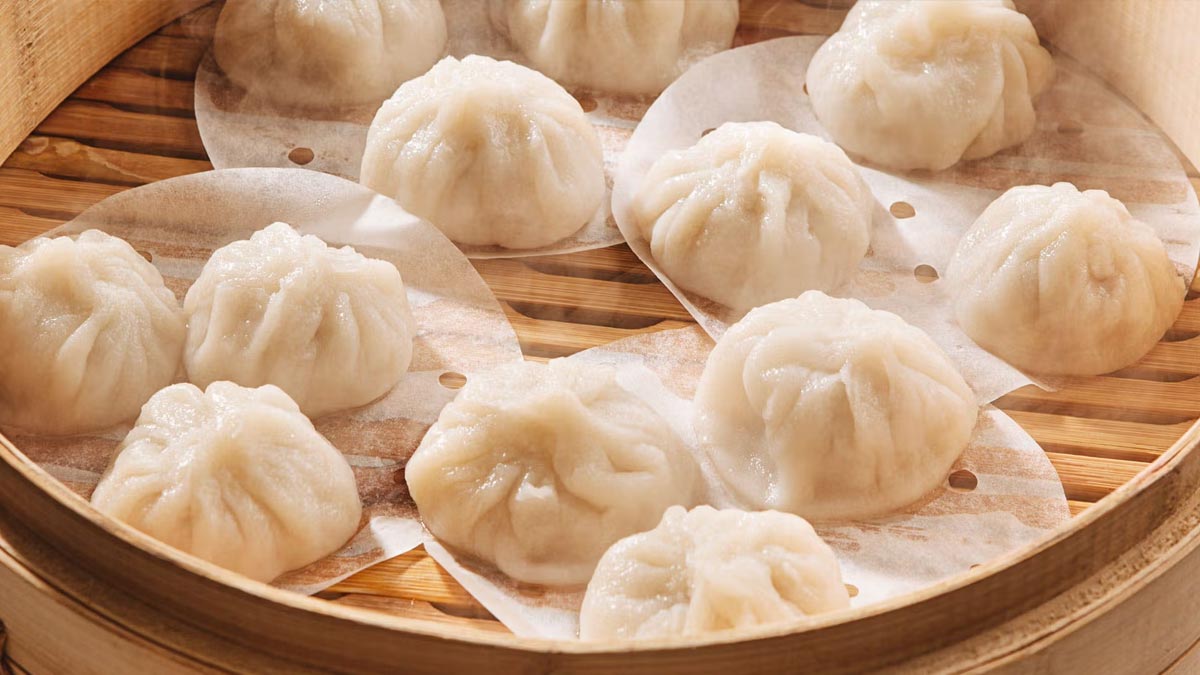
- Xiaolongbao (小籠包 – Soup Dumplings): Delicate, thin-skinned dumplings folded with precise pleats, filled with seasoned minced pork and hot, savory broth. Originally from Jiangnan (Shanghai region), Taiwan perfected its modern worldwide popularity through institutions like Din Tai Fung.
- Guotie (鍋貼 – Potstickers): Elongated, pan-fried dumplings with a crispy bottom crust and tender top casing. Typically filled with pork, cabbage, or chives, they are a staple lunch and night market option across Taiwan.
- Shuijiao (水餃 – Boiled Dumplings): Plump, thick-skinned dumplings boiled in hot water and served dry alongside a dipping sauce made of soy sauce, black vinegar, sesame oil, and fresh garlic.
- Ba-wan (肉圓 – Taiwanese Meatballs/Disk Dumplings): A unique local invention featuring a translucent, chewy dough made from sweet potato starch and tapioca, filled with pork, bamboo shoots, and mushrooms.
- Hunton / Chaoshan (餛飩 – Taiwanese Wontons): Thin-wrapped pork dumplings served either in clear scallion broth or tossed in spicy chili oil (Hong You Chao Shou).
Regional Origins & Cooking Methods
| Dumpling Type | Regional Origin / Roots | Cooking Technique | Signature Feature |
| Xiaolongbao | Jiangnan / Shanghai | Steamed in bamboo baskets | Rich interior pork broth |
| Guotie | Northern China | Pan-fried with flour-water slurry | Crispy golden bottom skin |
| Shuijiao | Northern China | Boiled in water | Chewy wrapper, comfort style |
| Ba-wan | Changhua, Central Taiwan | Steamed then low-temp fried | Translucent, bouncy “Q” dough |
| Hong You Chao Shou | Sichuan Province | Boiled, tossed in sauce | Spicy, numbing chili oil sauce |
Local Taiwanese Innovations
While northern boiled dumplings were introduced by Mainland immigrants following WWII, local Taiwanese cooks introduced distinct culinary twists:
- The “Q” Texture Emphasis: Taiwanese dumplings heavily value elasticity. Local variations like Ba-wan rely on tuber starches rather than wheat flour to achieve a bouncy bite.
- Sweet-Savory Dipping Sauces: Unlike traditional northern Chinese soy-and-vinegar dips, Taiwanese night markets serve dumplings with sweet garlic paste, red sweet chili sauce, or white sesame dips.
Leave a Reply